Home runs are the single hardest thing to do in sports, which is exactly why everyone and their brother has built some home run "process" through a chatbot. Here is the one constant that actually matters, in this market and every other: the whole game is figuring out the true price of a ticket and then betting a better one. That gets missed constantly. The player is how you find the bet; the number is whether you make it. Today I pulled three home run plays straight off OddsShopper, because that is where I get the edge that the process bros are still writing prompts to fake.
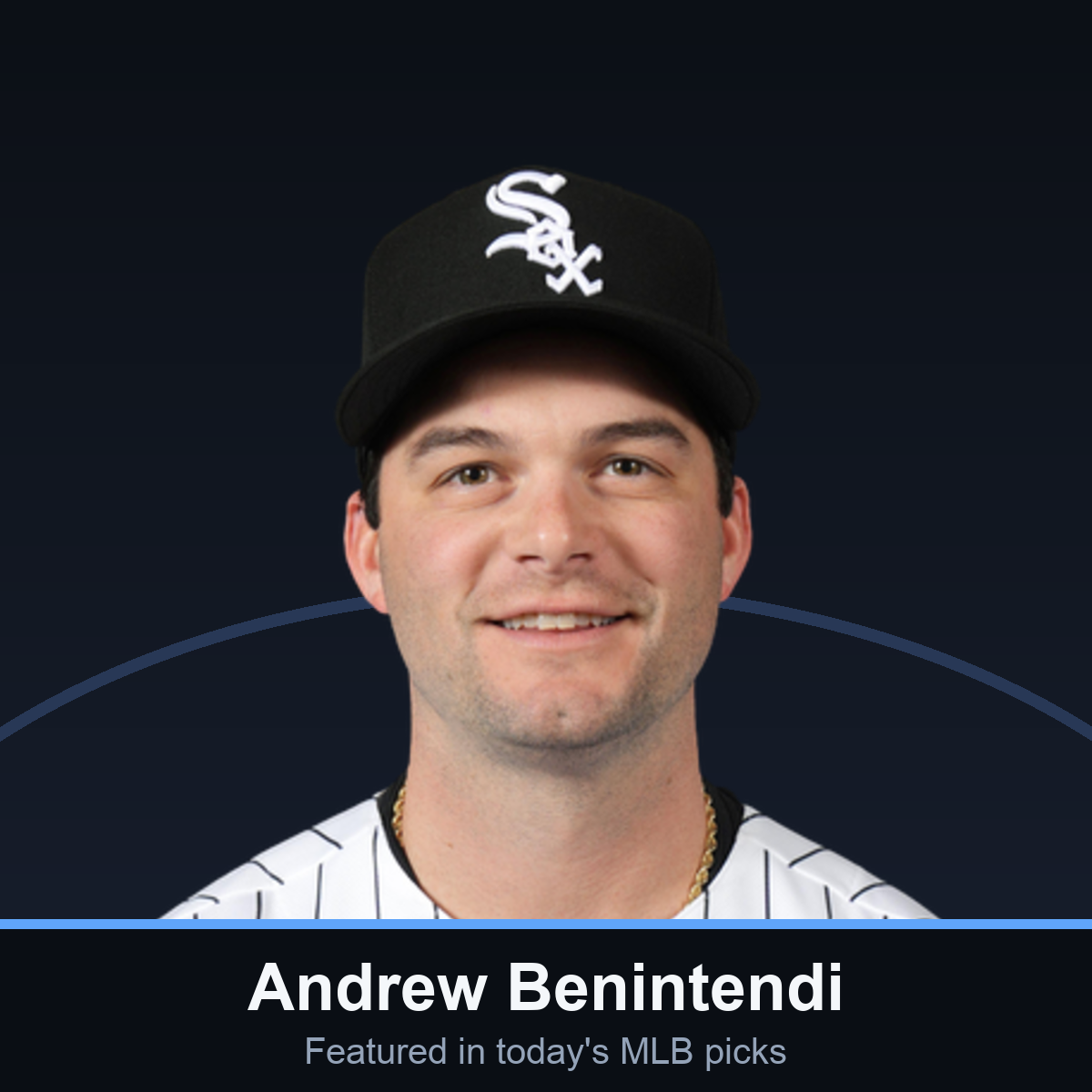
Andrew Benintendi — one of the featured bats on today's card.
In Summary: Today's 3 Home Run Bets
- Contreras To Homer — my Sharp Action tool play, tailing the smart money that is already loading up on the home run market.
- Andrew Benintendi (White Sox) To Homer — a clean odds screen read on a left-handed bat with real pull-side pop.
- A Two-Man Home Run Parlay — two of the best-priced home run legs on the board, stapled together off the odds screen.
| The Play | Bat | OddsShopper tool | What flagged it |
|---|---|---|---|
| Contreras Home Run | Contreras | Sharp Action tool | Sharp money loading the home run market |
| Benintendi Home Run | Andrew Benintendi (L) | Odds screen | A book paying over his no-vig fair price |
| Two-Man HR Parlay | Two board-best bats | Odds screen | Both legs clearing their own fair number |
The row I keep coming back to is Contreras, because it is the one I did not have to handicap myself. The tool found the money; my only job was to check the number still paid.
I am not quoting you a single price in this piece, and that is on purpose. Home run numbers move all day, so a number I type now is stale by first pitch. What I will do is show you the two OddsShopper tools that built these bets, and by the end you will see why the parlay only works if each leg clears its own fair number first.
Everything below I did by hand, but OddsShopper does the same work for you in seconds, and new users get a free 7-day OS Pro trial to try it. More on that once you have seen the plays. Let's get into it.
Contreras: The Sharp Action Tool Play
Start with the one that has nothing to do with me squinting at a park factor. The OddsShopper Sharp Action tool reads sharp money on betting exchanges and prediction markets and shows you where the professionals are actually landing their bets. The home run market draws a mountain of that action, and it is where the Sharp Action tool flagged Contreras, one of the better power bats in the league, to go deep.
Why do I lean on it as a tail rather than a hunch? The books already know the park, the pitcher's home run rate and the handedness split. All of it is baked into the price before you ever open the app. What they cannot fully price in real time is a wave of professional money hitting one side, and that is the exact signal the Sharp Action tool surfaces. So I am not out-thinking the market on Contreras. I am following the guys who move it, then making sure the price still pays before I fire.
That last step is the tail, not the trap. Smart money tells you where to look; it does not tell you the number is still good after the line has moved. Which brings me to the tool I lean on for the other two plays.
Benintendi: The Odds Screen Play
Andrew Benintendi is a left-handed bat with real pull-side pop, the kind that can run one out in the right spot. He is not a pure slugger, and the swing-and-miss in his profile is part of why the market does not price him like one, but the pop plays enough to be live on a home run board. Here is the part that matters: the books already know all of that. His profile is context that explains his home run price, not an edge, because it is already baked into the number.
The edge is on the OddsShopper odds screen, which lines up DraftKings 🎁, FanDuel 🎁, BetMGM 🎁 and 100-plus other books on the Benintendi home run at once and marks the no-vig fair price. That fair number is his true odds once you strip out the vig, and the screen goes further: it shows the hold, the exact cut a book is baking into that market, plus the line-movement history so you can see which way the number has been trending. When one book is posting Benintendi longer than that fair number while another is short, you have found the only thing you can actually beat here. Bet him at the book paying over his real odds, skip the ones that are short, and let the contact quality be the reason the market likes him, not the reason you bet him.
That is what "value" means here, and it is worth saying plainly because it gets butchered constantly: the best home run bet is the one priced in your favor right now, a positive expected value (+EV) play, meaning a price that profits over the long run. It is not automatically the shortest-odds slugger everyone is on, and it is not automatically the juiciest longshot. The value lives wherever the gap between the real number and the posted number is biggest. If you want the deeper version of that math, my guide to finding +EV bets walks it start to finish.
The Two-Man Home Run Parlay
The third play is a two-man home run parlay, and I built it the same way I built the Benintendi bet: one leg at a time on the odds screen, each one checked against its own fair price before I combined them. That order matters. A parlay is not two hunches you like enough to bundle. It is two individually-priced bets that both clear their fair number, and only then do you multiply them.
Why only two legs? Because any single home run is a low-probability outcome even in a perfect spot, and every leg you add multiplies that longshot. A four or five-man home run parlay looks fun and prices like a lottery ticket for a reason. Two of the best-priced bats on the board is my ceiling on this market, and even that gets sized like the volatile bet it is. On both legs the odds screen does its own job, which is confirming the current book price still beats the fair number. That is a different read than the Sharp Action tool ran on Contreras: that tool tells me where the respected money is landing, while the odds screen tells me whether the price is still worth taking. Two different reads, one discipline. If you want the full menu I am pulling these two legs from, the MLB home run picks board runs every game on the card.
A Worked Example: Why Price Is The Whole Game
Here is the entire market in one line. Two books can hang the same home run at wildly different prices, so line them all up, let the odds screen mark the no-vig fair number, and only bet the book that beats it. Picture a homer whose fair price is around +350. One book posts +430 and another sits at +280. Same hitter, same swing, same night. The +430 is a real bet and the +280 is a donation, and the only difference between them is which book you happened to open.
That is why I keep hammering price over player. The park, the platoon split and the pitcher's home run rate are all real, and they are all already in the number. Chase them as your edge and you are betting information the books priced hours ago. Shop the fair number instead and you are betting the one thing they cannot hide from you.
New to OddsShopper?It scans 100+ sportsbooks, strips the vig to show each home run's true price, and flags the bets paying more than they should, which is the exact work I just did by hand on all three of these plays. Try OS Pro free for 7 days, and code SHANDERHR20 takes 20% off OS Pro or OS Core if you subscribe.
You can pull up every home run on tonight's card, best price and all, on the live odds screen and shop the number across every major book. And if you would rather tail someone else's card, the free expert picks page has bets you can copy today.
More on this: Bet The Kyle Schwarber Home Run Prop Like A Coupon · MLB Home Run Picks Today (8/19): Shohei Ohtani & More · MLB Home Run Prediction Markets: Kalshi Vs Polymarket · How MLB Home Run Contracts Work On Kalshi · How To Bet MLB Home Run Props (And Find The Edge)
The Bottom Line
Home runs will always be the hardest bet on the board, and no amount of process changes that. What you can change is whether you are getting a real price on the swing you like. Contreras came off the Sharp Action tool because the smart money found him first. Benintendi and the two-man parlay came off the odds screen because the fair number said the price was there. Three plays, one method: let OddsShopper do the shopping, then bet the better number. That is the edge every "process" is chasing, and it is a button, not a prompt.