How to Bet on FanDuel Sportsbook (A Beginner's Guide)
In Summary
Learning how to bet on FanDuel 🎁 Sportsbook as a beginner comes down to four things: sign up and get your location verified, find a bet, place it, and (the part most new bettors skip) make sure the number you're taking is a good one. FanDuel is one of the easier books to navigate, which is exactly why it's a fine first stop. But easy to use and easy to win on are not the same thing. The bettors who stick around aren't the ones who memorized the FanDuel layout; they manage a bankroll, treat the promos as tools rather than free wins, and never lock in a price without checking whether another book pays more for the identical bet. This guide walks the FanDuel basics, then shows the one habit that quietly decides who wins: betting the best available price every time, with OddsShopper checking FanDuel's number against the whole market for you.
Related reading: Sports Betting Strategy: How to Bet Smarter.
Watch the Video
Prefer to watch? Here is the full breakdown on the OddsShopper YouTube channel. Watch on YouTube.
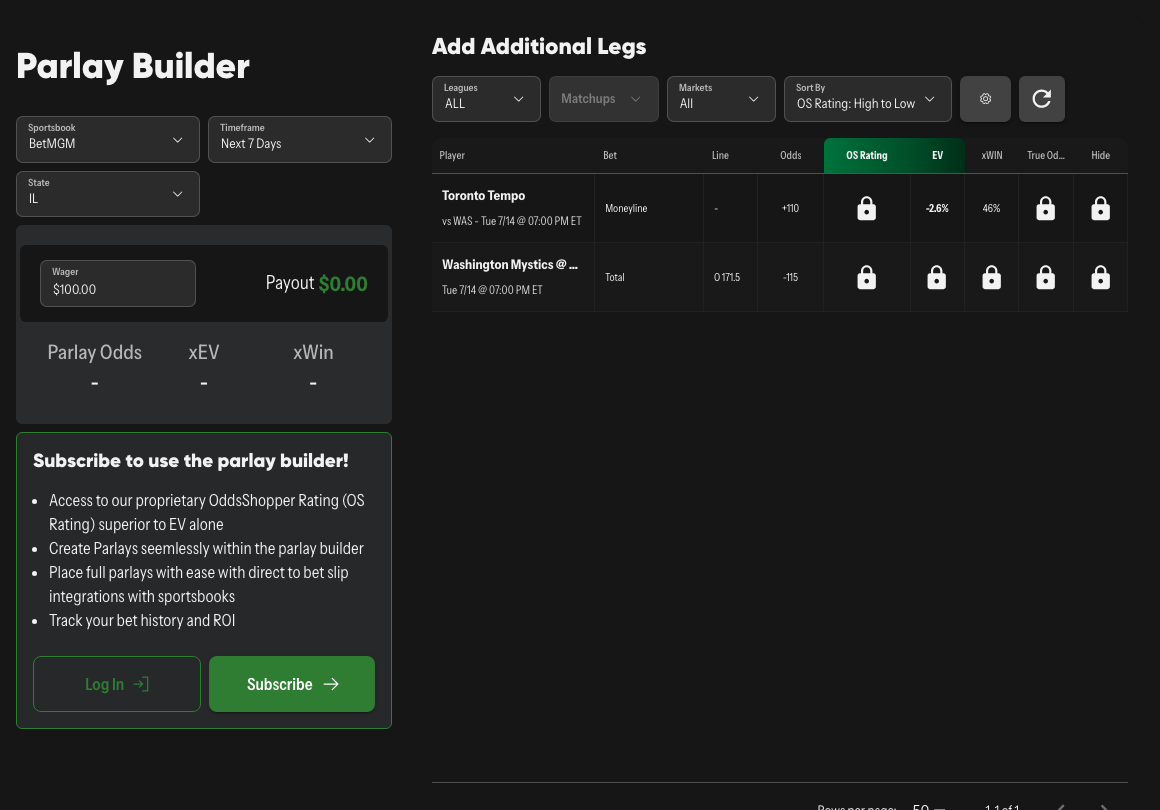
The OddsShopper Parlay Builder.
Step 1: Sign Up and Verify Your Location
Go to FanDuel Sportsbook and hit Join Now in the top corner. You'll enter the routine sign-up info you'd give any betting site, then deposit. One step trips up beginners: you'll be asked to download a geo-tracker before you can bet. Don't let it spook you. Every legal U.S. sportsbook requires one, and it isn't following your every move. It only confirms you're physically located in a state where betting is legal, because the regulations require books to verify that. Allow it, confirm you're where you say you are, and you're in business.
A note on the welcome offer most books dangle at sign-up: it's promotional value, so it's worth understanding the terms before you opt in. But read the fine print yourself on FanDuel's site rather than trusting a figure you saw quoted somewhere, because the amount and structure change by state and time of year. And no bonus turns a bad bet into a good one. Treat it as a small head start on your bankroll, not a reason to fire at markets you don't understand.
Step 2: Find and Place Your First Bet
On the main page, every sport sits in the left rail: soccer, PGA, MLB, NFL, WNBA, tennis, and more. Pick a game and the core markets show up right there: moneyline, spread (the run line in baseball), and the total. Live games in progress get their own section up top, so you can bet a game that's already underway.
Say you like an MLB moneyline at +190. Tap it and the bet drops into your bet slip on the right. From there you can:
- Place it as a straight bet (one selection, one wager), or
- Add a second selection (say, a run line in another game) and turn it into a parlay, where every leg has to hit but the payout is larger.
Want more than the headline markets? Click into the game itself and scroll. You'll find first-five-innings lines, team props, and player props (a batter to hit a home run, a pitcher's strikeout total, and so on). Tap any of them and they flow straight into your slip. The app and desktop work the same way.
One mindset to build now, before any of the bet types: you don't have to bet every game. A book has to post a line on everything, but you only fire when you want to. Plenty of markets are priced efficiently enough that both sides are a slightly losing bet once the hold is in, and on those the right move is no bet at all. Picking your spots, rather than forcing action on every game, is one of the few structural edges a bettor has over the book.
One trap worth naming early: same-game parlays. They're fun and the app pushes them hard, but the book prices the correlation between the legs into the payout, so most same-game parlays are negative expected value by design. They're only a play on the rare occasion the book has mispriced that correlation, which is hard for a beginner to spot. While you're learning, stick to straight bets and small parlays.
Step 3: Treat Promos as Tools, Not Free Wins
Promos are where a book like FanDuel hands real value back, and where beginners leave the most on the table by either ignoring them or misusing them. The main types:
- Profit boosts. A profit boost adds a set percentage to your winnings on a bet you were going to make anyway. A 50% profit boost means 50% more profit if it hits, at no extra stake. Apply them to plays you already like.
- Odds boosts. FanDuel will bump a price, say from +200 up to +300. The catch most beginners miss: a boost only helps if the boosted number actually beats the fair price. Some boosts clear that bar and some don't, so confirm the boosted odds are in your favor before you fire, rather than assuming every boost is a gift.
- Rebate promos like a "bet a player to hit a home run, get a bonus bet for every homer in the game" day. When a promo pays you back even on some losses like that, it can tilt an otherwise ordinary bet toward positive EV, because the rebate improves your real return. Read the terms, then take the ones where the math is actually in your favor.
The honest version: promos are the most reliable edge a recreational bettor has, so claim them. But a boost on a losing bet is still a losing bet. Use them on plays you'd make anyway, and lean toward the structures (like a rebate) where the expected value works out, not the flashiest headline number.
Step 4: Track Your Bets, and Be Careful With Cash Out
The My Bets tab splits into active and settled wagers. Settled is your real record; use it to see how you're actually doing rather than how you feel you're doing. Active bets often carry a live tracker, like a progress bar showing a pitcher's strikeout count against your under, which makes following a bet in real time useful.
Then there's Cash Out, and this is the one to handle with care. A book offers to cash you out when it benefits the book. The cash-out price almost always bakes in extra hold, so reflexively cashing out every time a bet gets tense slowly bleeds your bankroll. It isn't never the right move; stepping out of a position you no longer believe in is a legitimate risk-tolerance decision. But it shouldn't be a habit. If you keep wanting to cash out because the swing makes you nervous, that's usually a sign you're betting too big, not a sign to take the buyout.
The One Habit That Separates Winners: Bet the Best Number
Everything above is table stakes. Here's the part that actually decides whether you come out ahead: never lock in a price without checking that another book isn't paying more for the same bet. Every line has the book's hold built in. A standard two-sided market priced -110 on both sides carries roughly a 5% hold (the vig), and the exact number you take eats into your return more than almost anything else you do. I don't place a bet until I've seen the price across books.
Example: the Same Bet, Two Prices
Say FanDuel posts an MLB moneyline at +190 while another book lists the identical bet at +198, a routine line-shopping gap. On a $100 wager, +190 returns $190 in profit and +198 returns $198. That's $8 left on the table on a single bet. It sounds trivial. But a recreational bettor places hundreds of wagers a year, and habitually taking the worse number is one of the biggest reasons someone who picks winners more often than not still finishes the season down. Over a full year, consistently taking the best available price is often the entire difference between a winning and a losing bettor. It's the same bet either way; the only question is which book pays you the most for it. (For why this matters so much, see how a sharp bettor shops every number.)
No one can hand-check every book fast enough to matter. That's the job OddsShopper does: it line-shops the same bet across the whole market in real time, so you always see where FanDuel's number is beatable. Its Portfolio EV tool goes a step further, de-vigging each market to its true price and surfacing the bets, including which FanDuel boosts, that are actually +EV rather than just flashy.
New to OddsShopper?It scans 100+ sportsbooks at once and flags where the price is in your favor, doing automatically the line shopping this guide just walked through by hand. You can try it free for 7 days, and code SMARTBET20 takes 20% off OS Pro or OS Core if you subscribe.
A Few Realities Before You Start
- Manage your bankroll. Losing a few bets isn't the end of the world; digging in and doubling or tripling down to win it back with no real edge is how beginners get wrecked. Only stake what you can comfortably lose, and size each bet to the edge, not to how confident you feel. Our bankroll management guide covers how to size sanely.
- Don't fire blind. Betting with no line shopping and no projection to lean on is just donating to the book. Check the price before you place it.
- Variance is brutal, especially on parlays. You'll hit heaters and downswings that both feel permanent. Well-priced bets balance out over a large sample, not over a single weekend.
- It's 21+ and legal only in regulated U.S. markets where available. Bet only where it's legal, never chase losses, and reach out for help if betting stops being fun (1-800-GAMBLER).
Frequently Asked Questions
How do I bet on FanDuel as a beginner? Sign up, allow the geo-tracker so your location is verified, and deposit. Then pick a sport from the left rail, tap a market (moneyline, spread or run line, or total), set your stake in the bet slip, and place it. Before you confirm, check whether another book is paying a better number for the same bet, because that price difference adds up fast over a season.
Is FanDuel good for beginners? It's one of the easier sportsbooks to navigate and usually runs welcome offers and boosts. Just keep in mind that easy to use isn't the same as easy to win on. Manage a bankroll, understand the promos before you opt in, and line-shop every bet.
Should I use FanDuel's odds boosts and profit boosts? On bets you'd make anyway, often yes, but confirm the math first. A profit boost adds winnings at no extra stake, and an odds boost only helps when the boosted price actually beats the fair number. Don't let a boost talk you into a bet you'd otherwise skip, and don't assume every boost is automatically good value.
Should I cash out my FanDuel bets? Usually not reflexively. Books offer cash out when it favors the book, and the price typically includes extra hold, so habitual cashing-out bleeds your bankroll over time. It's a legitimate move when you want out of a position, but it shouldn't be a nervous reaction to a tense game.
Are same-game parlays a good bet on FanDuel? Usually not. The book prices the correlation between the legs into the payout, so most same-game parlays are negative-EV by design. They're only worth it when the book has mispriced that correlation, which is hard to spot. Beginners are better off with straight bets and small parlays.
Want to win on FanDuel, not just navigate it? The single highest-leverage habit is taking the best available price on every bet, and OddsShopper does that work for you: 100+ sportsbooks scanned in real time, FanDuel's number checked against the field, and the genuine +EV bets surfaced and ranked. Try it free for 7 days, then use code SMARTBET20 for 20% off OS Pro or OS Core if you subscribe. See today's edges free
More on this: NFL Win Totals 2026: Kalshi Vs DraftKings Vs FanDuel · Kalshi Vs FanDuel: Where The Same Bet Costs Less · DraftKings Vs FanDuel: Which Sportsbook Wins? · How To Bet NFL On FanDuel: A Beginner's Guide